
Introduction
Before any project begins, before tools are lifted or concrete’s poured, every worker needs one thing – safe, reliable footwear. The right boots don’t just complete the uniform; they protect your foundation literally.
Across Australia’s construction sites, warehouses, and workshops, JB safety boots are trusted by tradies and site managers who know that comfort and compliance go hand in hand. Let’s walk through what makes quality worksite safety footwear so important, and how to choose the best pair for your environment.
Key Points:
- Worksite safety starts with choosing the right protective footwear.
- JB safety boots combine strength, comfort, and compliance for Australian conditions.
- Consider terrain, hazards, and job demands when selecting boots.
- The JB 9F1 and 9H8 models are versatile choices for construction and trade work.
- Local supply via jets.screamprintscreenprinting.com ensures fast delivery and reliable support.
Why Worksite Footwear Matters More Than You Think
The First Line of Defence
From falling tools to hot surfaces and chemical spills, the dangers underfoot are often the most overlooked. Worksite safety footwear is designed to shield against impact, penetration, heat, and slips – keeping workers upright, protected, and productive.
Comfort Equals Compliance
When boots are uncomfortable, shortcuts happen. Poorly fitted or low-quality footwear increases fatigue, trips, and long-term strain. Investing in JB safety boots ensures workers actually wear their PPE properly – because they want to.
The Legal and Moral Obligation
Safe footwear isn’t just a personal choice; it’s part of every business’s duty of care. Compliant boots like JB’s 9F1 and 9H8 models meet Australian safety standards, ensuring both protection and peace of mind.
Matching the Boot to the Job
For Construction and Heavy Industry
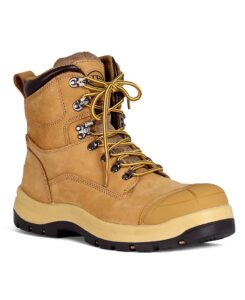
When working on rough, uneven, or hot terrain, durability is everything. The JB 9F1 Road Train Zip Boot stands out with:
- 200J composite toe cap for impact protection.
- SRC slip-resistant sole to prevent falls.
- Heat resistance up to 300°C, ideal for metalwork or bitumen crews.
- Available in Sand or Black to handle dirt and dust without losing form.
For Warehouses and Manufacturing
Inside environments need comfort and flexibility. The JB 9H8 is the go-to:
- Dual-density Nitrile Rubber/PU sole cushions long hours on concrete.
- Rebound foam insole reduces fatigue.
- Anti-static and fuel-resistant for handling machinery or warehouse chemicals.
- Plus, a YKK side zip for quick on-off convenience between shifts.
For Trades and General Maintenance
If you’re a plumber, sparkie, or maintenance tech, mobility matters. Look for boots with flex zone technology – featured in both JB models for natural movement and solid grip on ladders, roofs, and workshop floors.
What Sets JB Boots Apart
Built for Australian Conditions
Unlike many imported brands, JB’s range is designed with local climates and regulations in mind, heat resistance, slip ratings, and materials that handle humidity and dust.
Composite Strength Without the Weight
Steel caps are strong but heavy. JB’s composite toe offers the same certified protection with reduced weight and no conductivity – safer for electricians and lighter for long days.
Reliable Quality, Every Pair
From stitching to sole bonding, JB boots are tested to withstand daily abuse. The TPU toe cover adds longevity, while the supportive ankle design prevents rolling and fatigue.
How to Choose the Right Boot for You
1. Assess Your Environment
Start by listing your daily hazards, heat, oil, chemicals, ladders, or debris. Choose a boot rated for those risks first.
2. Prioritise Comfort and Fit
Boots that rub or feel loose will cause issues fast. Always try on with work socks, and ensure the insole supports your arch type.
3. Look for Verified Standards
Ensure your boots meet AS/NZS 2210.3 compliance for impact, slip, and heat resistance – JB boots exceed these benchmarks.
4. Go for Trusted Brands
Safety footwear is not the place to experiment. Stick with reputable names like JB, known for consistency, local support, and proven results on worksites across Australia.
Conclusion
Worksite safety really does start from the ground up. Choosing the right boots isn’t about style, it’s about protection, comfort, and long-term performance.
Whether you’re laying slabs, operating forklifts, or repairing machinery, JB safety boots deliver the durability and comfort Australian workers rely on.
Your feet carry you through the job – make sure they’re in boots built to last.
Step up your worksite safety with boots that work as hard as you do. Explore JB safety boots at jets.screamprintscreenprinting.com – trusted footwear for Sunshine Coast tradies and worksites nationwide.
FAQs
- What’s the difference between composite and steel toe boots?
Composite toes are lighter and non-conductive, offering equal protection without the bulk of steel caps. - Are JB boots suitable for hot worksites?
Yes, both models include heat-resistant soles (up to 300°C) for asphalt, welding, or fabrication environments. - Do JB boots meet Australian safety standards?
Absolutely. All models comply with AS/NZS 2210.3, covering impact, compression, and slip protection. - Can I wear JB boots in a warehouse setting?
Yes. The JB 9H8 is ideal for warehouse and indoor trades, offering superior cushioning and anti-static soles. - How long do JB work boots typically last?
With regular maintenance, most users report 12–18 months of heavy-duty use – longer under moderate conditions.